.png?w=460&h=118)
What Does IP Rating Actually Mean?
If you're exploring lighting options, you’ve probably encountered the term “IP Rating.” But what exactly does it signify, and why should it matter when choosing lights for your home? In this guide, we'll break down IP ratings in simple terms and help you make confident lighting decisions.
Understanding IP Ratings
IP stands for “Ingress Protection,” and it's a standard that indicates how effectively lighting fixtures are protected from external elements like dust, dirt, and water. You’ll usually see it written like this: IP44. Here’s what each number means:
- The first digit represents the fixture’s resistance to solids, such as dust and dirt.
- The second digit indicates its resistance to liquids, primarily water.
Simply put, the higher each digit, the better the protection provided.
Why Are IP Ratings Important?
IP ratings help you choose the right light for the right space — safely and reliably. Choosing the correct IP rating ensures your lights operate safely, last longer, and perform reliably.
- Indoor Areas (IP20): Ideal for spaces like living rooms, bedrooms, and dining areas where moisture isn't typically present.
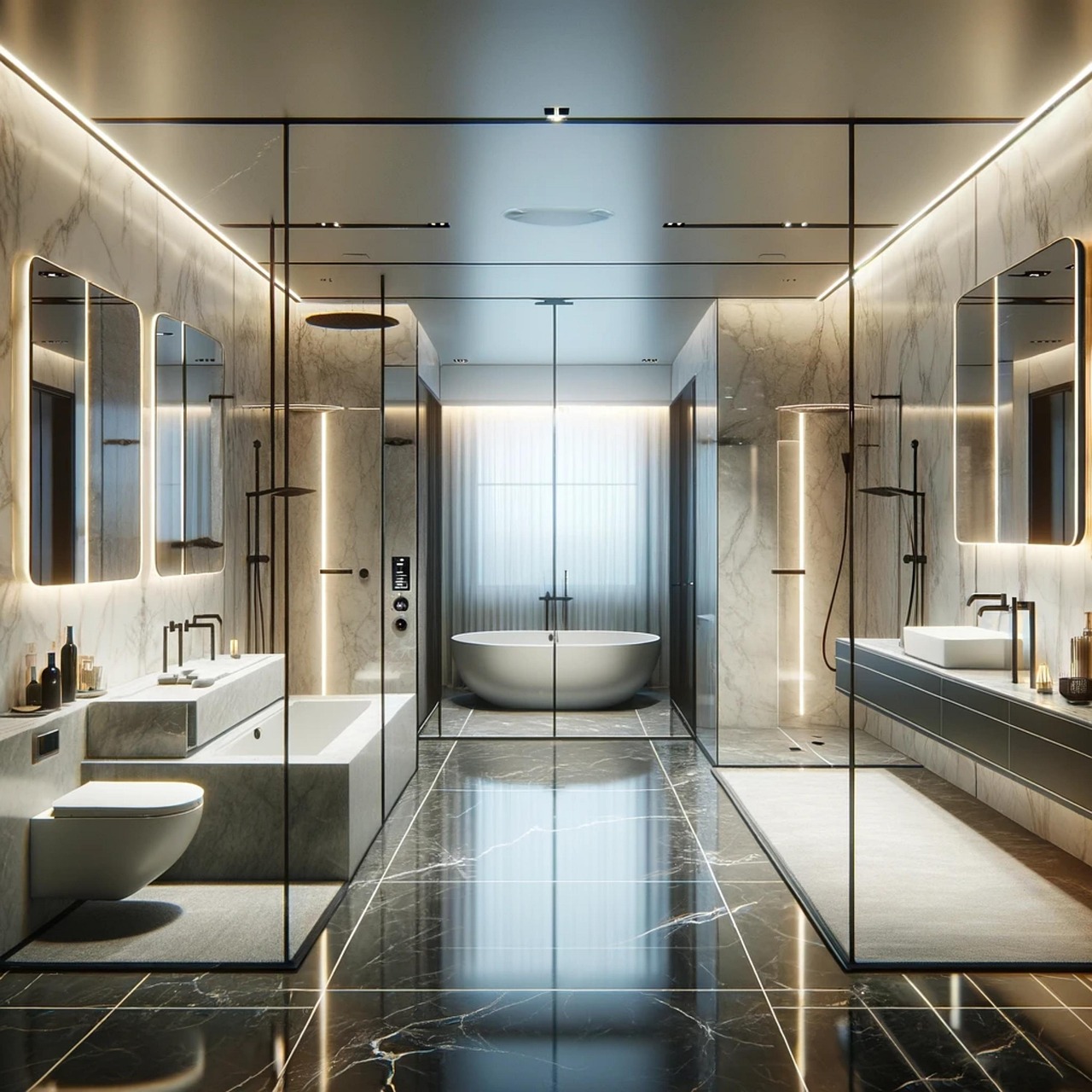
- Bathrooms (IP44 and above): Necessary for environments exposed to humidity and splashes.
- Outdoor Areas (IP44 or IP65 and above): IP44 can work for sheltered spots like porches and covered patios. IP65 or higher is recommended for fully exposed areas such as driveways and gardens.
Common IP Ratings and Their Applications
Here's a simple breakdown of the most frequently seen IP ratings:
- IP20: Basic protection from fingers or solid objects. No water protection. Suitable for indoor use in dry areas.
- IP44: Protection from objects larger than 1mm and splashing water. Commonly used in bathrooms and outdoor wall lights installed in sheltered areas.
- IP65: Completely protected from dust and capable of withstanding water jets. Excellent for most outdoor lights exposed to weather elements.
- IP67/IP68: Dust-tight and fully waterproof, suitable for immersion. Essential for lights in wet environments like garden spike lights, recessed lighting, and outdoor feature lights.
Clarifying Outdoor Wall Lighting (IP44 vs. IP65)
A common question is whether IP44-rated lights are suitable for outdoor use. In most cases, yes. Nearly all outdoor wall lights are rated IP44, and this rating is perfectly sufficient for typical outdoor installation scenarios, such as under porches, eaves, or canopies where direct exposure to heavy rain and severe weather is limited.
However, for lighting that will face direct exposure to heavy rain, wind-driven weather, or harsher outdoor conditions, a higher rating of IP65 or above is advisable.
Additionally, in coastal areas, lighting fixtures must withstand salt from sea spray, which can corrode materials more rapidly. For these locations, we strongly recommend choosing fittings rated IP65 or higher, specifically designed with corrosion-resistant materials suitable for coastal environments.
Garden Bollard Lighting Recommendations
When selecting garden bollards, we recommend a minimum IP rating of IP44 to ensure basic protection against splashes and moderate moisture. For even greater protection, particularly in more exposed or open garden areas, an IP54 rating or higher is ideal, providing improved resistance to dust and stronger water protection.
Why Choose IP68 for Recessed and Ground Lighting?
For recessed ground lights or fixtures in outdoor spaces, drainage can be a significant concern. Even indoors, like in bathrooms, pooling water or dampness can occur. IP68 lights, being submersible, offer the best protection against water ingress, ensuring durability and consistent performance.
At Leora Lighting, we recommend IP68-rated fittings for garden spike lights, recessed ground lighting, and bathroom areas prone to drainage issues. In our experience, investing in IP68 for outdoor and recessed lights prevents common failures due to standing water or garden conditions. It’s a small upgrade that saves bigger headaches later.
Practical Examples
Let's illustrate with a few everyday scenarios:
- Patio Lights: For a covered patio, IP44 wall lights will suffice. If the patio is open to the elements, choose IP65.
- Garden Path Lighting: Spike lights should ideally be IP68, given their exposure to soil moisture and gardening activities.
- Bathroom Ceiling Lights: Generally, IP44 lights are adequate, but recessed floor lights near showers or baths should ideally be IP68.
Tips for Installation
Here are quick tips for installing IP-rated lights:
- Assess Your Environment: Clearly understand the exposure of the fixture (indoors, outdoors, humidity levels).
- Match the IP Rating: Always select an IP rating that meets or exceeds the requirements of your environment.
- Consult Professionals: When in doubt, reach out to professionals or our expert team at Leora Lighting for guidance.
|
Use Case |
Recommended IP Rating |
|
Living Rooms / Bedrooms |
IP20 |
|
Bathrooms |
IP44+ |
|
Covered Outdoor Walls |
IP44 |
|
Exposed Outdoor Walls |
IP65 |
|
Garden Bollards |
IP54+ |
|
Ground/Recessed Lights |
IP68 |
Final Thoughts
Understanding IP ratings is crucial for choosing safe and effective lighting solutions for your home. At Leora Lighting, we clearly mark IP ratings for every product, helping you make informed decisions.
Ready to find the ideal IP-rated lights for your home or garden? Browse our outdoor lighting range or contact our lighting experts for personalized advice.